


Learn
View all-
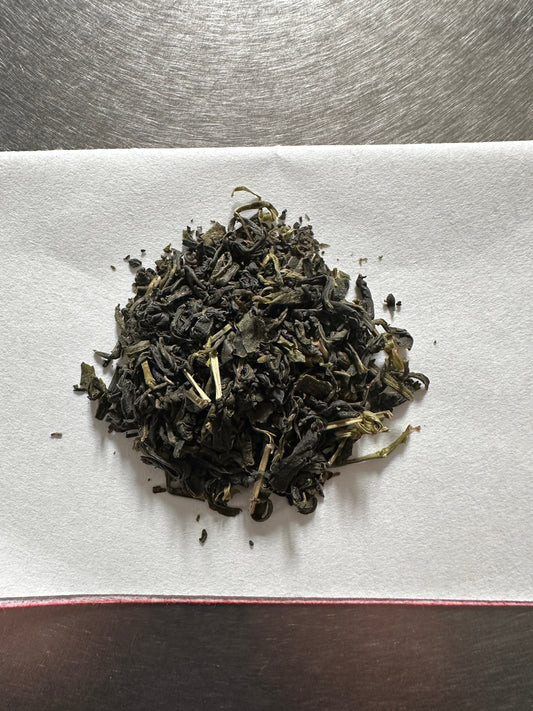
Vol.5 Benifuki A Science-Backed Tea for Wellness
Benifuki: Beyond Flavor—A Science-Backed Tea for Wellness What is Benifuki? Benifuki is a rare tea cultivar created by crossbreeding the Assam-based variety “Benihomare” with the green tea variety “Makura Cd86.”...
Vol.5 Benifuki A Science-Backed Tea for Wellness
Benifuki: Beyond Flavor—A Science-Backed Tea for Wellness What is Benifuki? Benifuki is a rare tea cultivar created by crossbreeding the Assam-based variety “Benihomare” with the green tea variety “Makura Cd86.”...
-
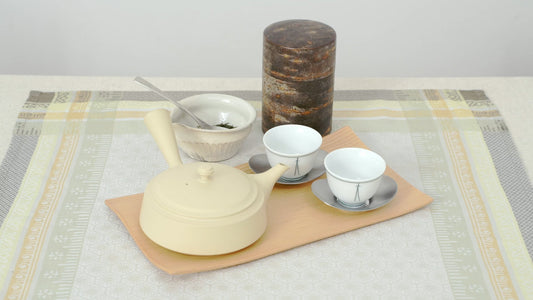
Vol.4 How to brew tasty Sencha (Movie)
Pour freshly boiled water into your yunomi (Japanese teacups, about 120ml per cup). Place the sencha leaves into the kyusu (Japanese teapot, about 1 teaspoon per person). Pour the water...
Vol.4 How to brew tasty Sencha (Movie)
Pour freshly boiled water into your yunomi (Japanese teacups, about 120ml per cup). Place the sencha leaves into the kyusu (Japanese teapot, about 1 teaspoon per person). Pour the water...
-
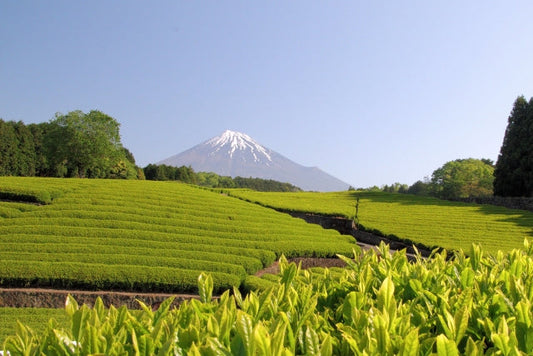
Vol. 3 The Many Types of Japanese Tea Explorin...
The Japanese tea we enjoy every day comes in a remarkable variety of styles.Although all teas are made from the same plant—the Camellia sinensis, or cha no ki—differences in cultivation...
Vol. 3 The Many Types of Japanese Tea Explorin...
The Japanese tea we enjoy every day comes in a remarkable variety of styles.Although all teas are made from the same plant—the Camellia sinensis, or cha no ki—differences in cultivation...
Blog
View all-

Savoring Japanese Tea with the Sound of Rain
In Japan, the month of June brings many rainy days. This season is called tsuyu, the rainy season, when gentle, steady rain becomes a familiar part of daily life. It...
Savoring Japanese Tea with the Sound of Rain
In Japan, the month of June brings many rainy days. This season is called tsuyu, the rainy season, when gentle, steady rain becomes a familiar part of daily life. It...
-

A Journey Through the Terroir of Shincha — Expl...
As the season of shincha (first harvest tea) arrives, tea fields across Japan awaken all at once. Yet even though they are all called “shincha,” no two teas taste quite...
A Journey Through the Terroir of Shincha — Expl...
As the season of shincha (first harvest tea) arrives, tea fields across Japan awaken all at once. Yet even though they are all called “shincha,” no two teas taste quite...
-

Shoburo — The Aesthetics of Early Summer in the...
As May arrives, the world of Japanese tea ceremony enters a quiet seasonal transition: from the ro (sunken hearth) of winter to the furo (portable brazier) of warmer months. This...
Shoburo — The Aesthetics of Early Summer in the...
As May arrives, the world of Japanese tea ceremony enters a quiet seasonal transition: from the ro (sunken hearth) of winter to the furo (portable brazier) of warmer months. This...


